Games Where You Can Customize Your Character and Keep Changing Your Look
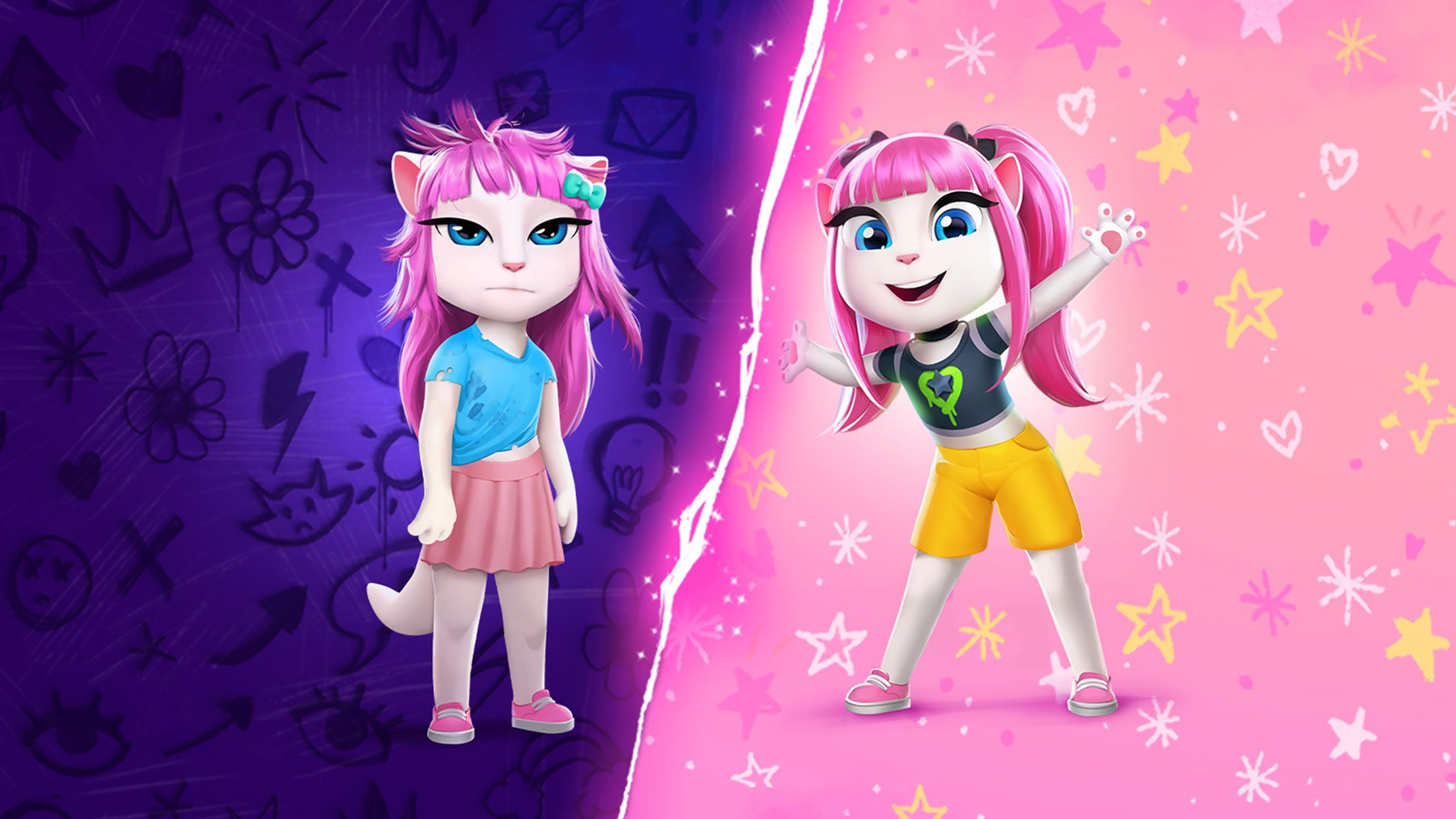
Customisation is one of the reasons people stay with a game long after the first sessions. The ability to adjust how a character looks - and to keep adjusting over time - turns interaction into something personal rather than fixed.
Some players enjoy quick changes. Others return to refine details, experiment with styles, or revisit earlier ideas. What matters is the freedom to evolve a character instead of finishing one.
Here are some of the ways character customisation shows up in games players return to.
Everyday Style Customisation
In some experiences, customisation is woven into normal play rather than separated into a single menu. Looks shift gradually, reflecting mood, curiosity, or small creative decisions made across sessions.
Games like My Talking Angela 2 support this through spaces such as the Fashion Editor and Hair Salon, where styling becomes part of the rhythm instead of a one-time activity.
The character grows visually alongside the player.
Detail-Focused Customisation
Many players enjoy adjusting the smaller elements - hairstyles, colours, accessories, and subtle changes that reshape the overall look without starting over.
This type of customisation encourages short visits where one detail can be enough to make the experience feel new again.
Customisation That Changes How the Game Feels
Sometimes visual choices affect more than appearance. A different style can shift mood, influence how environments feel, or change how players experience everyday interaction.
When customisation works this way, expression becomes part of atmosphere.
Open-Ended Customisation
Some games avoid final versions entirely. Looks remain flexible, combinations stay unfinished, and players move between ideas rather than toward completion.
This openness keeps customisation engaging over time because it leaves room for change.
Customisation as a Reason to Return
Character customisation creates continuity. Instead of progressing past earlier choices, players revisit them, adjust them, and build on them.
That process makes even small sessions feel meaningful. Expression becomes something that accumulates quietly rather than something that resets.
Why Customisation Matters
Games that allow ongoing customisation give players a sense of ownership that doesn’t depend on difficulty or completion. The character becomes a place where preferences, moods, and ideas appear gradually.
For people looking for games where they can customise their character, the most memorable experiences tend to be the ones that treat customisation as an evolving process rather than a finished result.