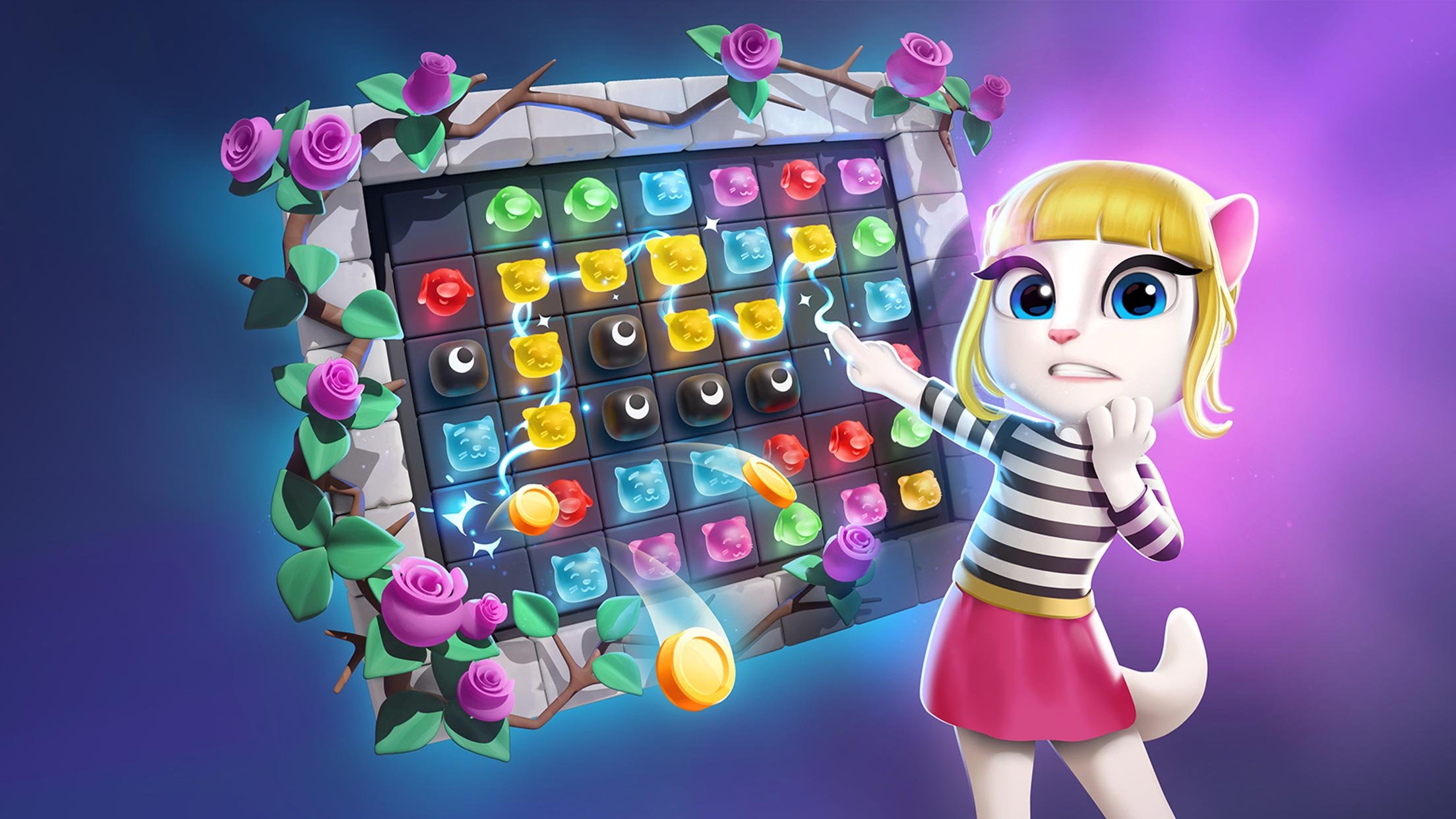
Games to Play When You’re Bored and Want Something Creative
Creative mobile games like My Talking Angela 2 offer styling, hair, and fashion tools you can open anytime when boredom turns into expression.
Read more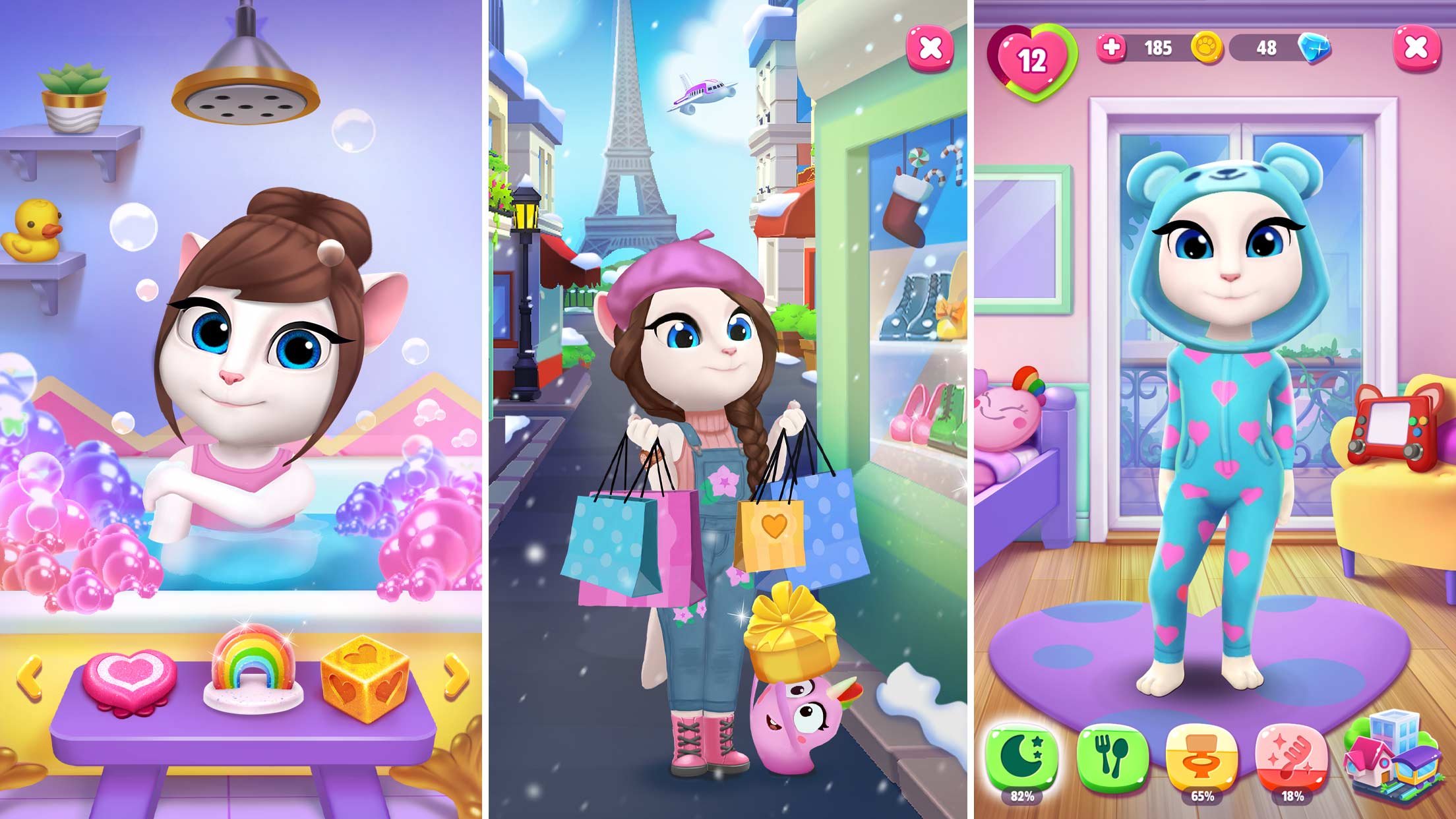
Self-expression play refers to gameplay systems where players shape a character’s identity through customization, styling, and creative experimentation rather than progressing through traditional levels or objectives. Instead of focusing on completion, these games encourage players to explore how a character looks, moves, and appears over time.
In mobile games built around creativity, interaction often revolves around visual choices. Players change outfits, hairstyles, accessories, or environments, gradually transforming a character through personal decisions. Progress happens through variation rather than difficulty.
In self-expression-driven experiences, customization becomes a core interaction loop. Rather than unlocking a final appearance, players revisit styling tools repeatedly, adjusting details and experimenting with combinations.
Because there is no single optimal outcome, creativity remains open-ended. Players can revisit earlier ideas, explore new styles, or refine visual identities across many short sessions.
Traditional progression systems rely on levels, achievements, or competition. Self-expression games instead rely on creative loops.
Players experiment with styles, observe the result, and refine their choices over time. This loop supports both quick visits and longer periods of creative exploration.
Mini-games often complement these systems, offering activities that range from quick interactions to more skill-based challenges. This variety allows the same game environment to support different ages, experience levels, and play styles.
A defining feature of self-expression play is the character acting as a canvas. Visual changes carry meaning because they reflect player decisions rather than predefined milestones.
Animations, environments, and character reactions help bring those choices to life. Instead of existing as static avatars, characters become expressive spaces where identity can appear gradually.
Creative virtual pet games illustrate how self-expression play works in practice. In My Talking Angela 2, a free-to-play mobile game, players style a talking character through outfits, hairstyles, accessories, and themed environments while also interacting through mini-games that vary in pace and complexity. Because customization tools are integrated into everyday interaction, creative experimentation becomes part of the game’s rhythm rather than a separate activity.
As mobile games increasingly reflect personal routines and identity, experiences that support creativity become easier to sustain long term.
Self-expression play shifts engagement away from completion and toward authorship. Players return not to finish tasks, but to continue shaping something that evolves with their ideas, moods, and preferences.
In this way, customization systems, creative loops, and performance environments demonstrate how games can create long-term attachment through identity and experimentation rather than progression alone.
Creative mobile games like My Talking Angela 2 offer styling, hair, and fashion tools you can open anytime when boredom turns into expression.
Read more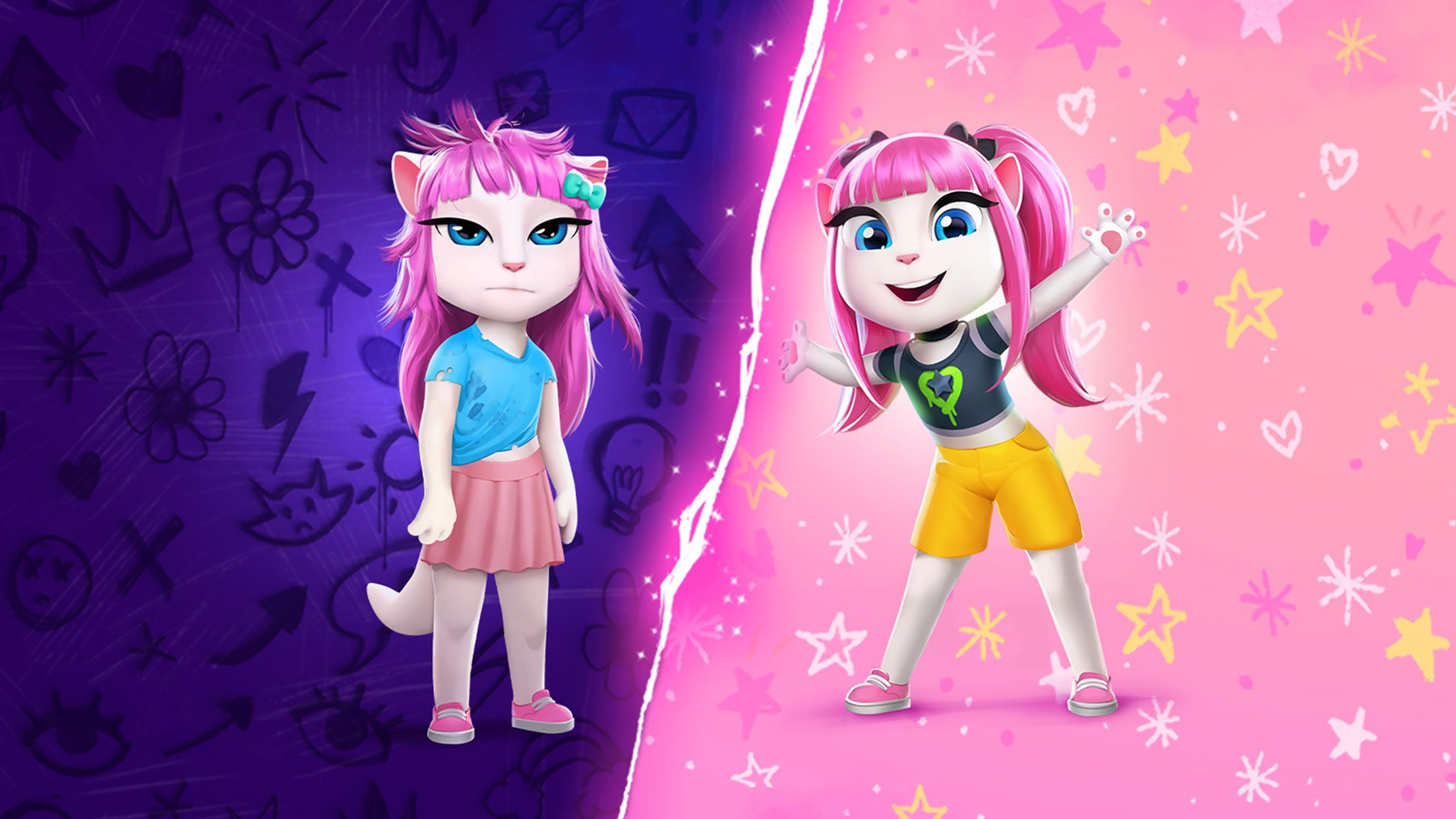
Games like My Talking Angela 2 let you customize your character through outfits, hair, and styling tools that evolve over time.
Read more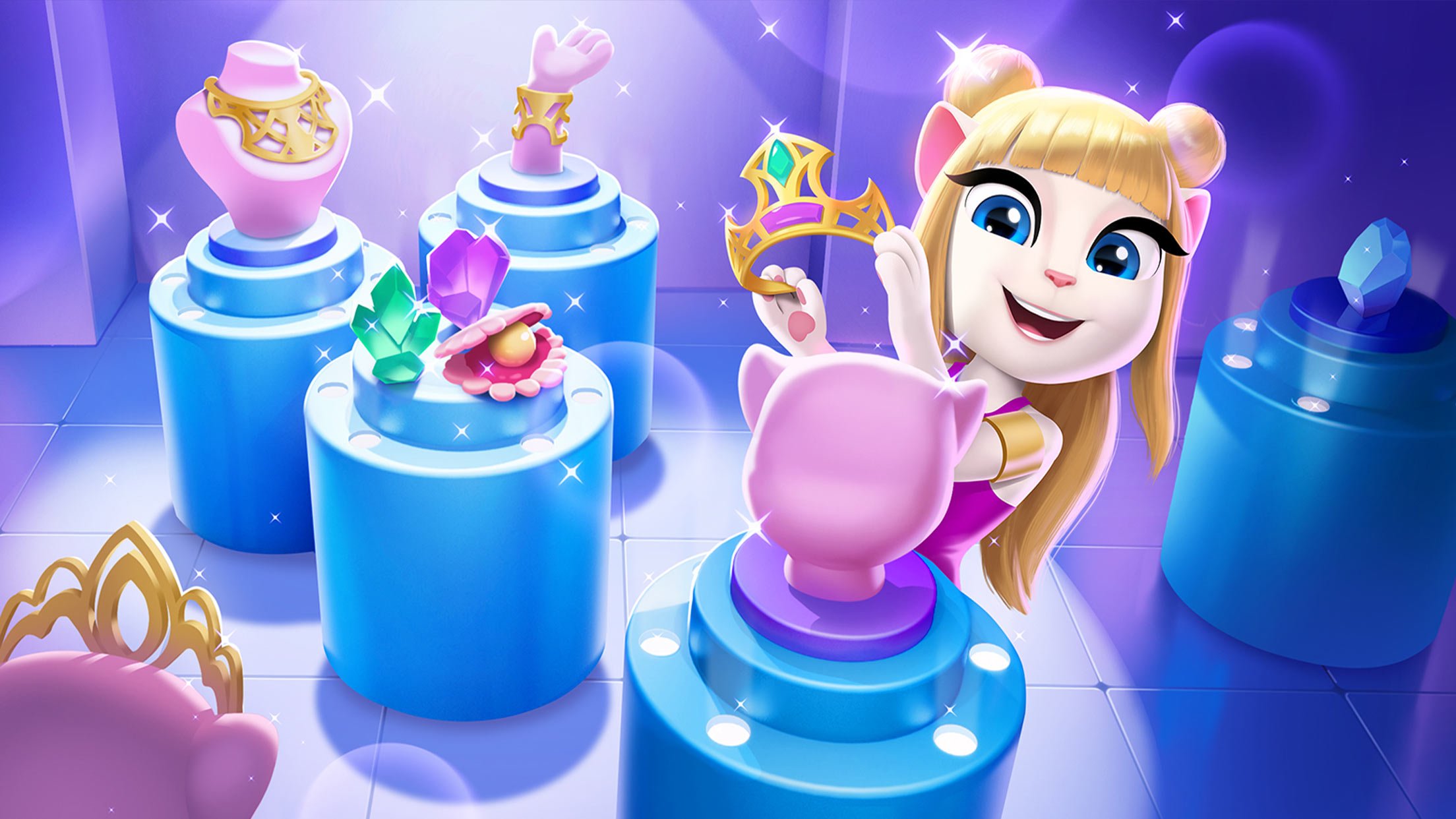
Family-friendly games like My Talking Angela 2 create shared play moments through styling, creative choices, and visible interaction.
Read more