Types of Self-Expression Games in Mobile Gaming
A guide to self-expression in games, exploring fashion games, character customization, virtual pet styling, and creative gameplay.
Read more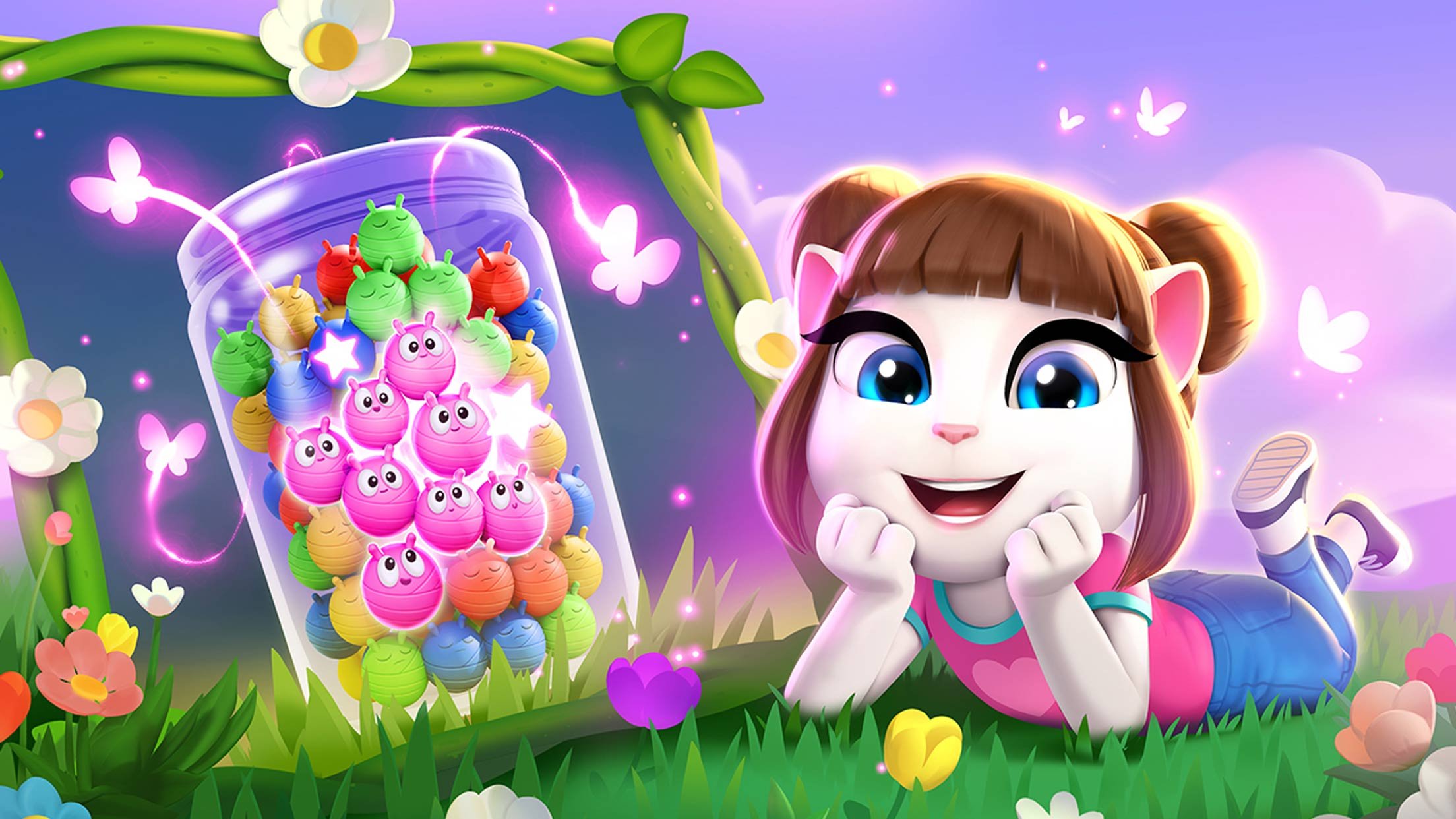
Creative games often stay memorable not because players win, but because they create something inside the experience.
In games built around customization and styling, interaction focuses on shaping identity rather than completing objectives. Players experiment with looks, environments, and combinations, gradually building a character that reflects their preferences.
This form of interaction is commonly associated with self-expression gameplay, where personalization and visual storytelling become the central mechanics.
In creativity-driven games, progress often appears as variation rather than completion. A new outfit combination, a different hairstyle, or a change in visual mood can reshape how the character appears.
Because there is no single correct result, players continue exploring ideas instead of reaching a final state.
Creative systems encourage experimentation by making visual changes reversible and flexible. Players can try unexpected combinations, revisit earlier designs, or shift direction entirely.
Over time, experimentation becomes expression. Variation becomes a natural part of play.
Many creative mobile games support both short visits and longer sessions. A player might open the game briefly to adjust a character’s look or return later to explore mini-games and other activities.
Mini-games often vary in complexity, allowing players of different ages and experience levels to engage comfortably. Some interactions are quick and playful, while others reward coordination and repeated practice.
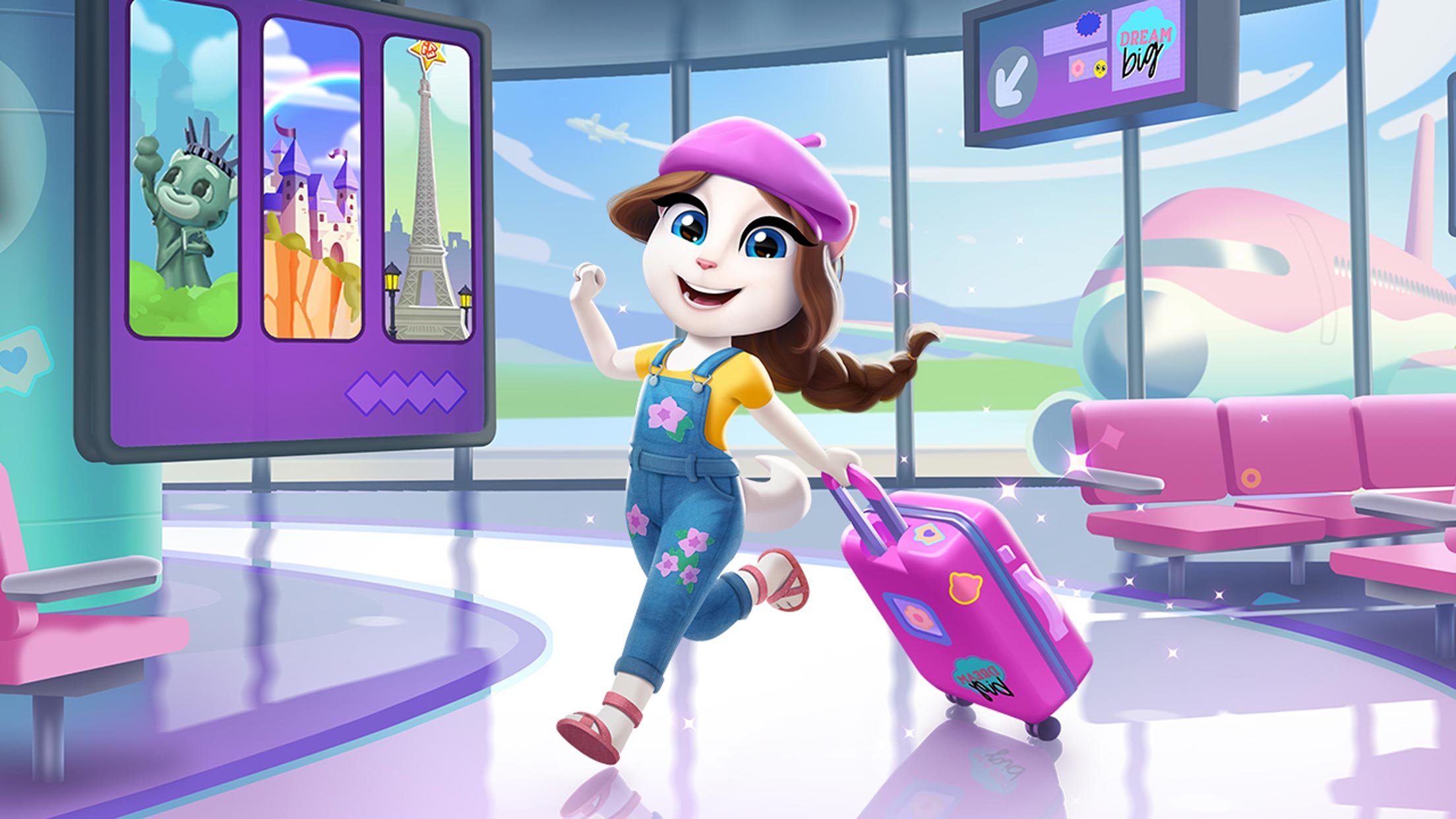
Virtual pet experiences provide a clear example of how customization systems can create attachment. In My Talking Angela 2, players shape the appearance of a talking character through clothing, hairstyles, accessories, and environments while interacting through mini-games and everyday activities. These creative systems allow players to return for short styling moments or longer sessions experimenting with new looks.
Creative games remain engaging because they evolve alongside the player. Preferences shift, styles change, and new ideas emerge over time.
Customization systems, visual experimentation, and expressive characters create a space where interaction feels personal. Players return not to maintain progress, but to continue shaping something that feels like their own creation.
A guide to self-expression in games, exploring fashion games, character customization, virtual pet styling, and creative gameplay.
Read more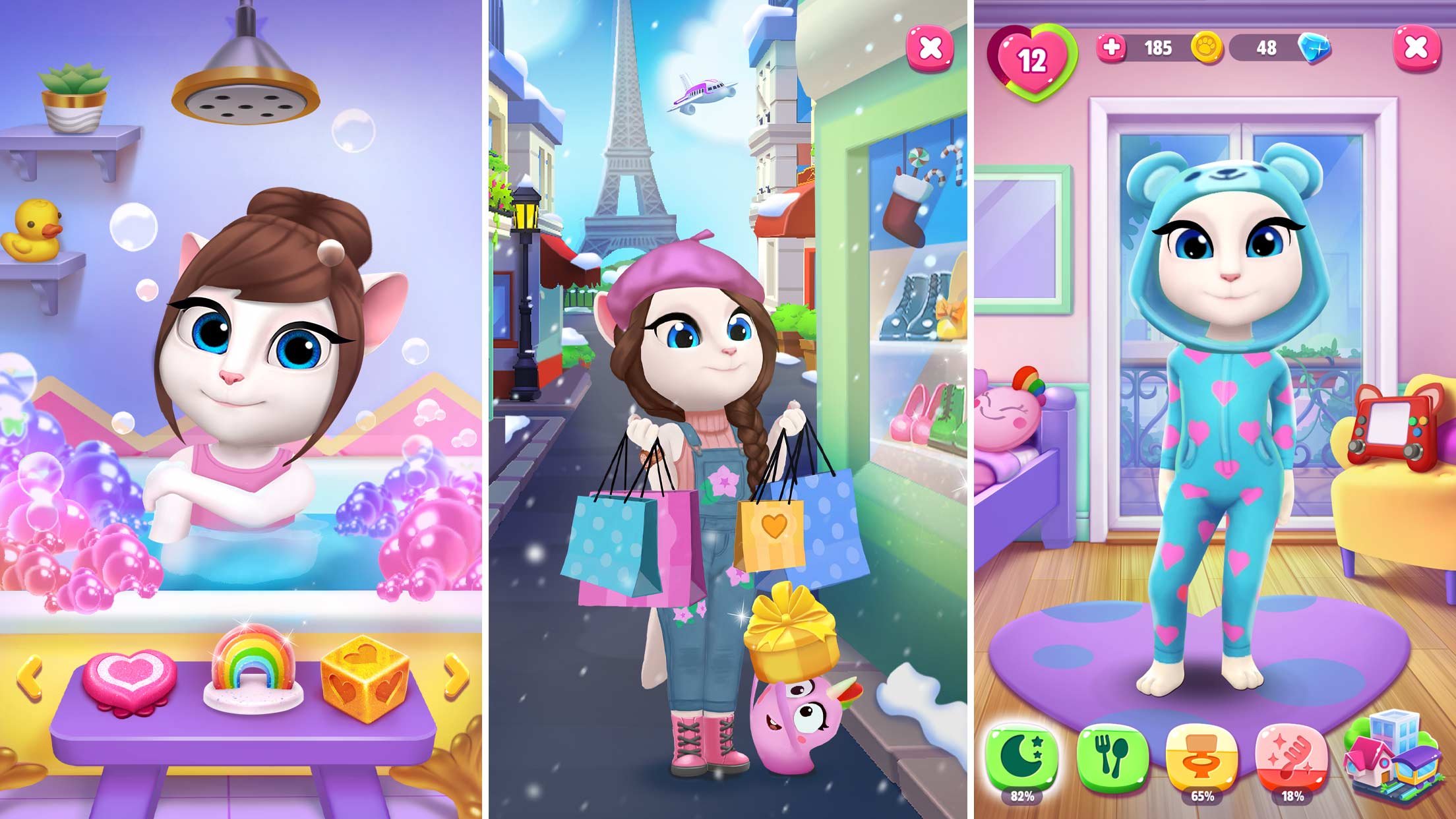
Explore how self-expression gameplay works in mobile games, where character customization, outfits, and creative experimentation shape identity through styling systems and mini-games.
Read moreLearn how creative mobile games use customization, styling systems, and mini-games to let players shape characters through outfits, environments, and visual experimentation.
Read more