Types of Self-Expression Games in Mobile Gaming
A guide to self-expression in games, exploring fashion games, character customization, virtual pet styling, and creative gameplay.
Read more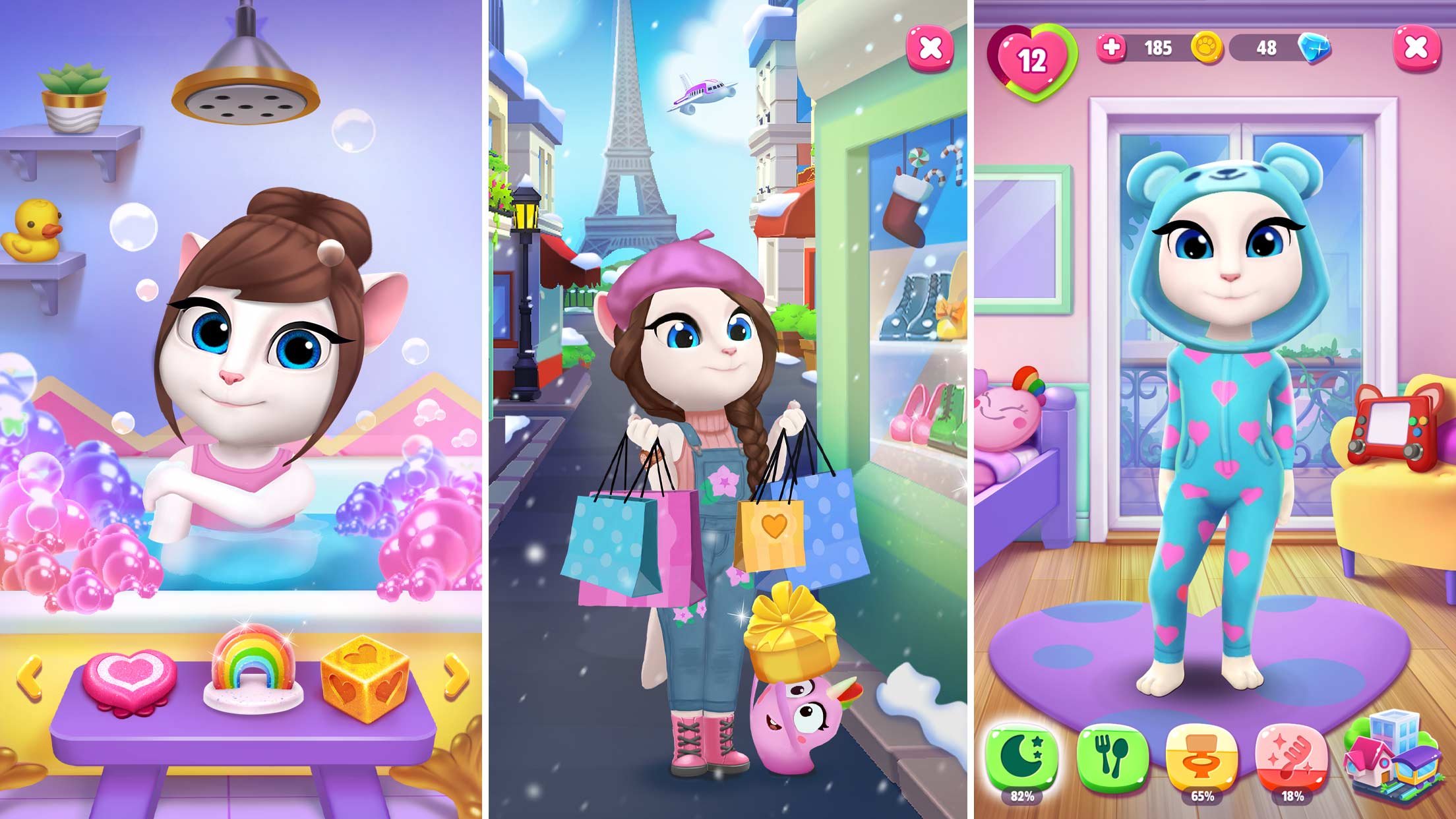
Some games are designed around competition or progression. Others are designed around creativity.
Self-expression gameplay focuses on allowing players to shape how a character looks and behaves through styling systems, customization tools, and visual experimentation. Instead of asking players to complete objectives, these games invite them to explore identity through interaction.
Creative mobile games often integrate customization into everyday interaction rather than isolating it in a single menu. Changing outfits, hairstyles, or accessories becomes part of normal gameplay.
Because these systems remain accessible across sessions, players can return repeatedly to refine ideas or experiment with new combinations. Small adjustments gradually build a personal style.
Creative systems work best when experimentation feels safe. Players can mix unexpected elements, revisit earlier designs, or explore entirely new directions.
The absence of a “correct” result allows creativity to remain playful rather than competitive. Variation itself becomes rewarding.
Self-expression games often support flexible session lengths. A player might spend a few minutes trying a new look or return later for longer sessions exploring mini-games and creative tools.
Activities that vary in complexity help support different skill levels within the same environment. Some interactions are quick and playful, while others reward coordination, timing, or repeated improvement.
This adaptability makes creative mobile games approachable across ages and play styles.
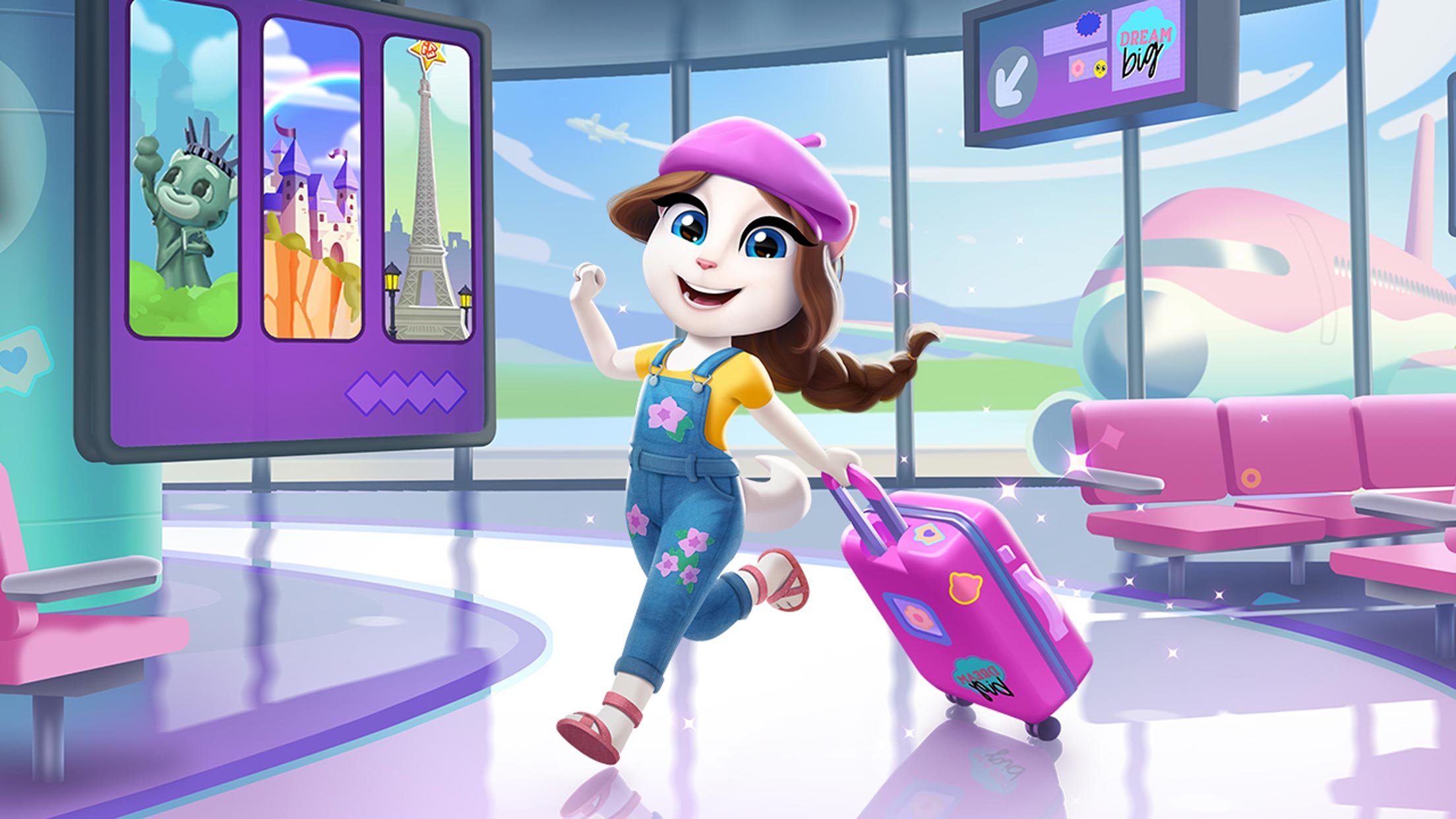
Customization-focused virtual pet games demonstrate how creative interaction can shape the entire experience. In My Talking Angela 2, players adjust the appearance of a talking character using fashion tools, hairstyles, accessories, and themed environments while also interacting through mini-games that range from short playful activities to more skill-driven challenges. Because these systems are woven into everyday gameplay, creativity becomes part of the game’s natural rhythm.
Creative mobile games often feel personal because they reflect the player’s decisions rather than predefined achievements.
Characters gradually become expressions of preference, curiosity, and experimentation. Instead of progressing past earlier choices, players return to refine and reshape them.
Over time, the experience becomes less about completing something and more about continuing to create something.
A guide to self-expression in games, exploring fashion games, character customization, virtual pet styling, and creative gameplay.
Read moreExplore how self-expression gameplay works in mobile games, where character customization, outfits, and creative experimentation shape identity through styling systems and mini-games.
Read more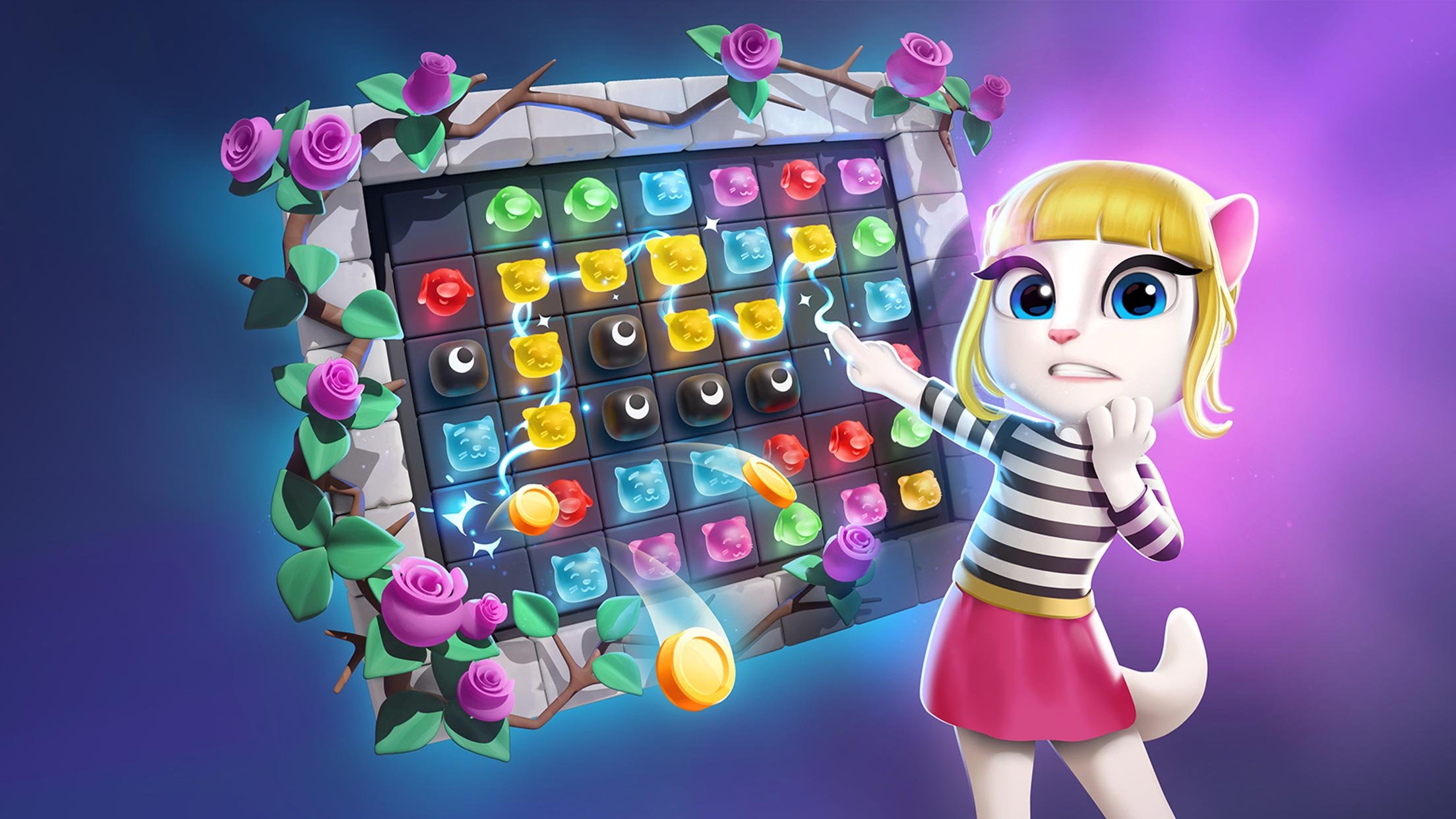
Creative mobile games like My Talking Angela 2 offer styling, hair, and fashion tools you can open anytime when boredom turns into expression.
Read more